Water application
Young seedlings need careful moisture management and gentle application suited to tray and media conditions.
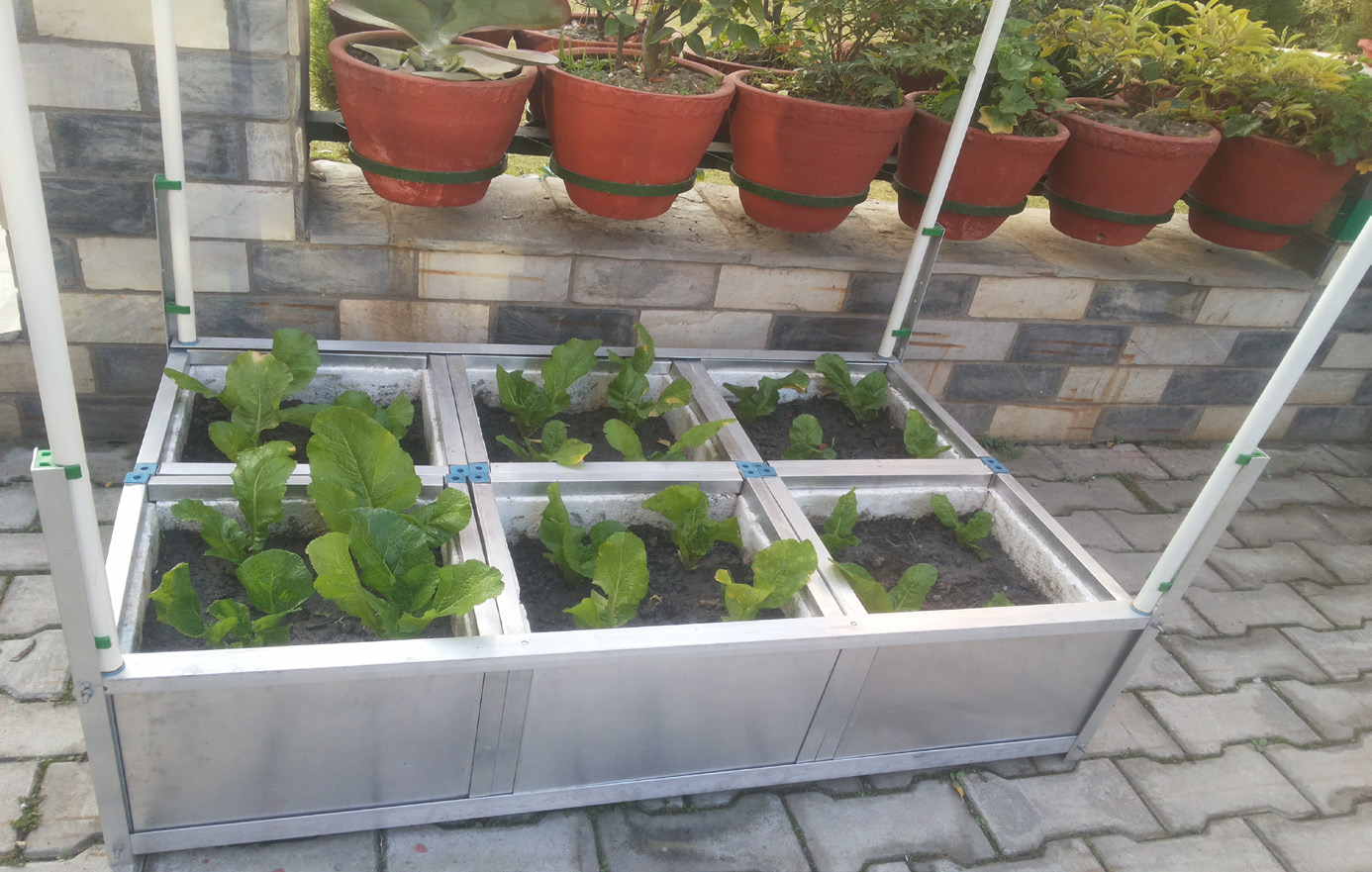
Nursery Farming Nepal
Nursery and shade-house planning in Nepal for propagation, seedling trays, misting, shade, insect protection, irrigation and hardening.
Site-first planning
Ag-En Plus treats equipment as part of a production system. The correct choice changes with site conditions, crop, water, operating capacity and the level of control actually required.
Young seedlings need careful moisture management and gentle application suited to tray and media conditions.
Shade level should protect sensitive growth stages without creating weak or overly stretched seedlings.
Clean trays, media handling, drainage and airflow reduce avoidable disease and contamination pressure.
Appropriate netting and entry management can help protect high-value propagation material.
Bench height, aisles, tray movement, watering access and hardening areas affect labour efficiency.
A nursery should include a practical hardening process so seedlings adapt before transplanting.
System pathways
Explore the connected solution and product families, then narrow the technical scope using actual project information.
Structure and netting for moderated light and protected propagation.
Open guide →ExplorePropagation trays selected for crop, plug size and nursery workflow.
Open guide →ExploreMicro-spray or mist distribution for suitable propagation stages.
Open guide →ExploreProtect small nozzles and irrigation components from sediment and blockage.
Open guide →ExploreMedia and container systems selected around root development and drainage.
Open guide →ExploreSimple scheduling or sensor-assisted misting where operating conditions justify it.
Open guide →Nepal context
These are planning contexts rather than fixed prescriptions. Final sizing and specifications should be based on a site-specific assessment.
Centralised seedling production can support predictable transplant batches and better use of greenhouse space.
Efficient space, water storage and organised customer handling can be as important as the growing structure.
Shade, airflow and careful irrigation help manage seedling stress during warm periods.
Protected propagation can help establish seedlings earlier, but ventilation and disease management remain important.
Project workflow
A useful quotation starts with measurable site information. This reduces guesswork and makes product quantities, water-system decisions and installation scope easier to define.
Frequently asked questions
Exact specifications, commercial terms and installation requirements should be confirmed against the final project scope.
Not always. A nursery may use shade, insect net, simple protected structures or greenhouse elements depending on the propagation objective.
Small mist nozzles can block, so water quality and filtration are important for consistent application.
Not necessarily. A reliable manual or timer-based system may be enough for many nurseries if labour and monitoring are consistent.
Yes. Bench layout, irrigation zones and structure bays can be planned so capacity can increase without disrupting the entire workflow.
Nepal agriculture project desk